
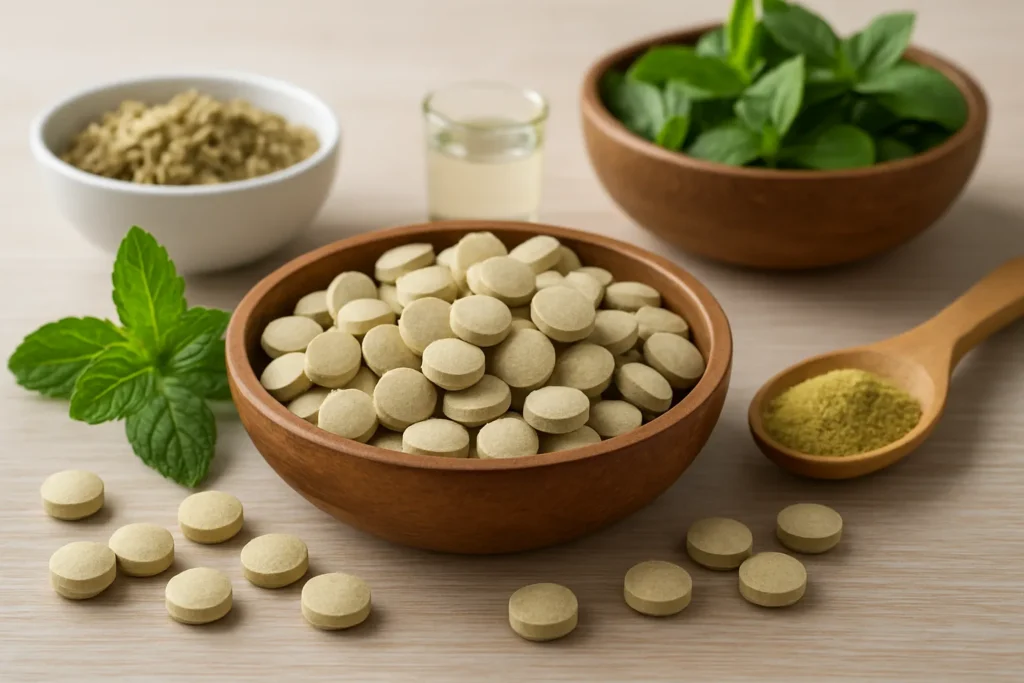
Enhancing Gut Health with Herbal Ingredients in Gut Health Tablets
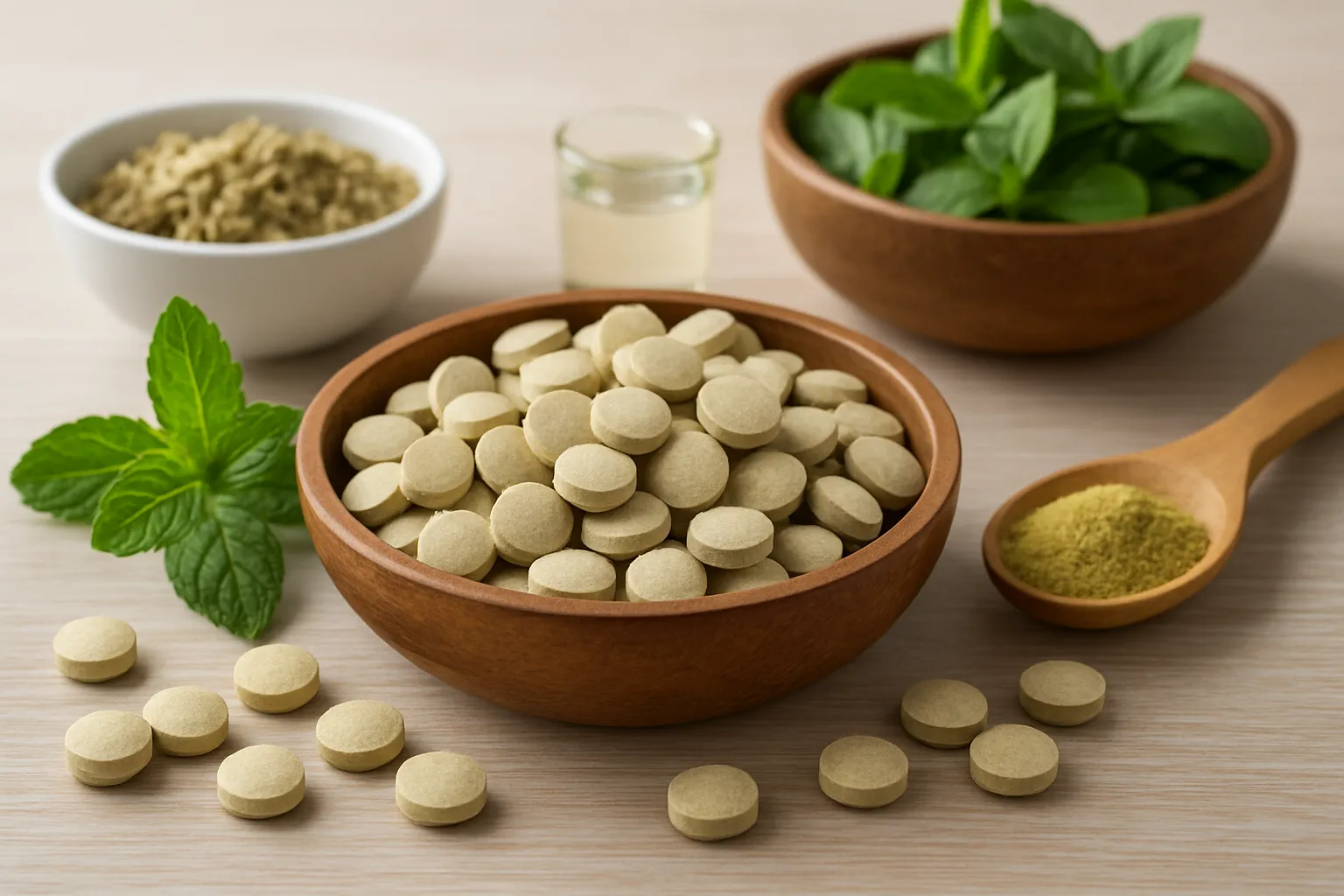
In the current health-conscious market, gut health has become a focal point for many consumers. The gut microbiome significantly influences overall health, impacting everything from digestion to immune response. Consequently, businesses in the health supplement sector are increasingly aiming to introduce products that support gut health, such as gut health tablets. A particularly promising strategy is the incorporation of herbal ingredients, which have been revered for centuries due to their health benefits. This article delves into the significance of gut health, the role of herbal ingredients in health supplements, and how businesses can effectively integrate these components into their product lines.
Understanding Gut Health Tablets
Gut health tablets are specialized dietary supplements crafted to promote digestive wellness and enhance a healthy gut microbiome. Typically, these tablets combine probiotics, prebiotics, and various beneficial compounds.
Key Components of Gut Health Tablets
The essential components of gut health tablets often feature probiotics—live microorganisms that confer health benefits when consumed in sufficient quantities—and prebiotics, which are dietary fibers that nourish beneficial gut bacteria. Many formulations also include herbal ingredients known for their digestive support, such as ginger, peppermint, and turmeric.
Benefits of Gut Health Tablets
The advantages of gut health tablets extend well beyond simple digestive support. Regular use can lead to improved digestive function, enhanced nutrient absorption, and a fortified immune system. Moreover, these tablets can alleviate common gastrointestinal issues like bloating, gas, and irregular bowel movements, making them attractive to a wide range of consumers.
The Role of Herbal Ingredients
Herbal ingredients are pivotal in enhancing the effectiveness of gut health tablets.
Popular Herbal Ingredients for Gut Health
Several herbal components have gained traction for their benefits to gut health. For instance, ginger is celebrated for its anti-inflammatory properties and its ability to soothe digestive discomfort. Peppermint is frequently utilized to relieve symptoms associated with irritable bowel syndrome (IBS), while turmeric is acknowledged for its robust anti-inflammatory and antioxidant effects.
Mechanisms of Action in Gut Health
The mechanisms through which these herbal ingredients function can differ. Ginger, for example, promotes gastric motility, facilitating the efficient movement of food through the digestive tract. Peppermint operates by relaxing the muscles of the gastrointestinal tract, which can help alleviate spasms and discomfort. The curcumin compound found in turmeric has been shown to modulate gut inflammation, supporting a healthier microbiome.
Sourcing Herbal Ingredients
When incorporating herbal ingredients into gut health tablets, sourcing high-quality components is crucial.
Criteria for Selecting Quality Ingredients
Businesses should prioritize sourcing herbal ingredients that are organic, non-GMO, and free from contaminants. Collaborating with reputable suppliers who can provide transparency about their sourcing and production processes is essential.
Sustainable Sourcing Practices
With sustainability becoming increasingly important to consumers, companies should consider sourcing ingredients from suppliers that employ sustainable farming methods. Not only does this ensure the quality of the ingredients, but it also resonates with environmentally conscious consumers.
Use Cases for Health Supplements
The market for gut health tablets is diverse, catering to various consumer needs.
Target Markets for Gut Health Tablets
Target markets include individuals looking to enhance their digestive health, those with specific gastrointestinal conditions, and health-conscious consumers aiming to improve their overall wellness. Additionally, athletes and fitness enthusiasts may also seek these supplements to support recovery and performance.
Case Studies of Successful Products
Several companies have successfully launched gut health tablets that incorporate herbal ingredients. For example, a leading health supplement brand introduced a product featuring a blend of probiotics and ginger, resulting in a notable increase in sales due to positive consumer feedback and effective marketing strategies that highlighted the benefits of both probiotics and herbal support.
Implementing Herbal Ingredients in Products
Integrating herbal ingredients into health supplements necessitates careful consideration.
Formulation Considerations
When formulating gut health tablets, businesses should assess the synergistic effects of herbal ingredients with probiotics and prebiotics. This involves understanding appropriate dosages, potential interactions, and the stability of the ingredients over time.
Regulatory Compliance and Safety
In the health supplement industry, regulatory compliance is paramount. Companies must ensure their products adhere to safety standards and labeling requirements. Conducting thorough testing and obtaining necessary certifications can significantly bolster consumer trust.
Comparing Herbal Ingredients
When deciding between herbal and synthetic ingredients, businesses must carefully evaluate their options.
Herbal vs. Synthetic Ingredients
Herbal ingredients often provide a more holistic approach to gut health, leveraging the natural synergy of plant compounds. In contrast, synthetic ingredients may offer targeted benefits but can sometimes lead to adverse reactions in sensitive individuals.
Cost-Benefit Analysis of Herbal Ingredients
While herbal ingredients may incur a higher upfront cost, their long-term advantages—including consumer preference for natural products and potential health benefits—can outweigh the initial investment. Conducting a cost-benefit analysis can empower businesses to make informed decisions.
Frequently Asked Questions
Common Concerns About Herbal Ingredients
Consumers frequently express concerns regarding the efficacy and safety of herbal ingredients. It’s crucial for businesses to provide clear information and education to alleviate these apprehensions.
Myths vs. Facts in Gut Health Supplements
Numerous myths surround gut health supplements, such as the misconception that all probiotics are identical. Educating consumers on the distinctions between various strains and the benefits of herbal ingredients can help clarify misconceptions and promote informed choices.
In conclusion, optimizing gut health through the incorporation of herbal ingredients in health supplement offerings presents a significant opportunity for businesses. By understanding the components of gut health tablets, sourcing quality ingredients, and addressing consumer concerns, companies can develop effective products that meet the growing demand for gut health solutions. An industry reference from the FDA underscores the importance of these health supplements.